Production I.G Built Blood as a Fully Digital Feature
2000 · Production I.G · fully digital pipeline
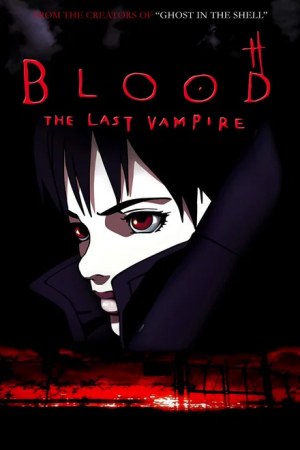
Production I.G identifies Blood: The Last Vampire as Japan's first fully digital animated film. The production moved away from the normal cel-based pipeline and used digital coloring, compositing and image processing throughout the feature.
Why it matters
The darkness, lighting effects and integration of computer-built objects are not later remastering choices. They belong to the movie's original visual design.
2D Characters and 3D Objects Are Supposed to Share the Same Frame
Blood repeatedly combines hand-drawn character animation with computer-generated vehicles, environments, camera movement and lighting.
How you can tell
The subway and aircraft sequences often move through space differently from the character animation, but the compositing tries to keep both inside one photographic-looking image.
WHY IT MATTERS:
The occasional visible seam is part of what makes the film historically interesting. You can watch an industry transition happening inside the finished movie.
The Core Image Came Before the Encyclopedia
Production I.G describes the project as an in-house original concept, with the defining image of a schoolgirl in uniform fighting monsters with a Japanese sword emerging during development.
Why it matters
That origin helps explain the film's priorities. Blood begins with a visual and dramatic situation strong enough to carry one mission, then deliberately leaves the larger mythology for other projects to explore.