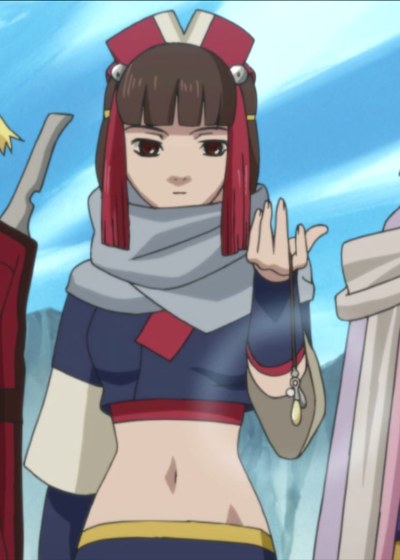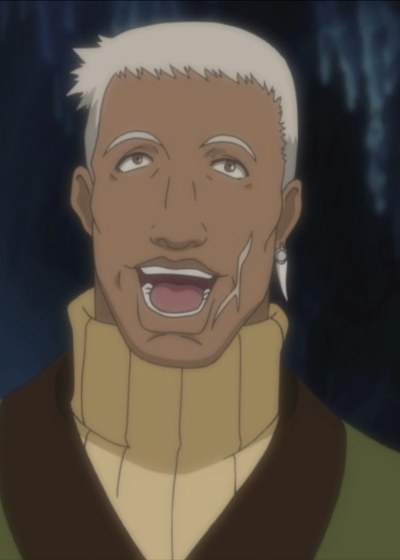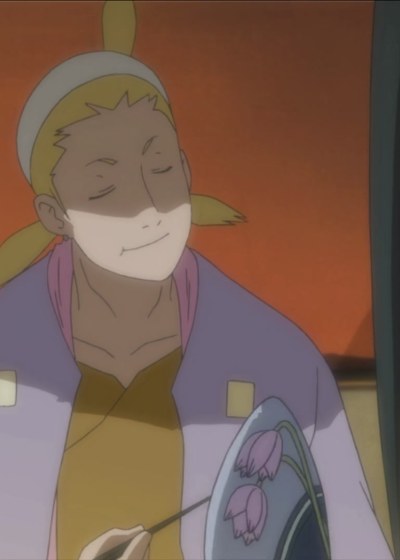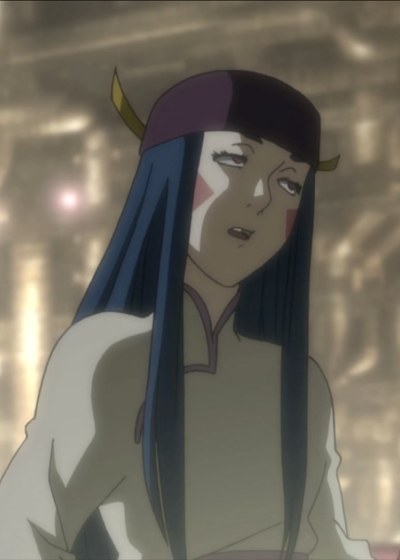
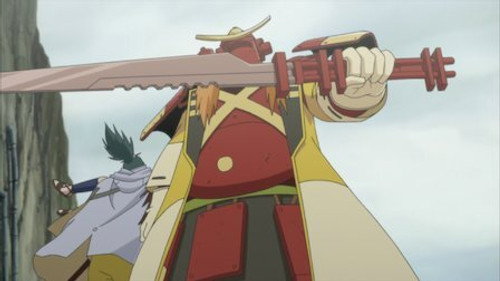
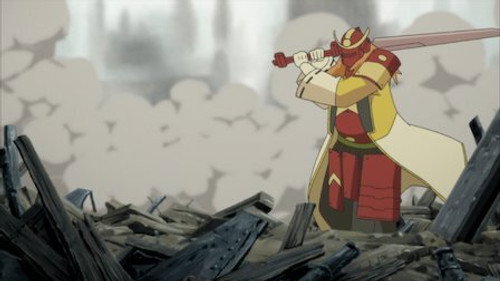
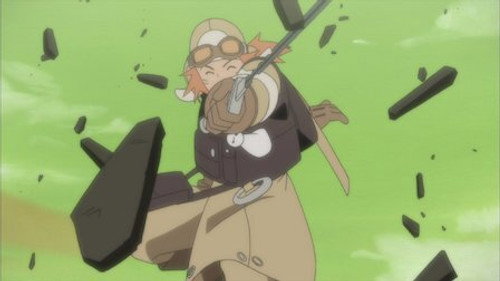
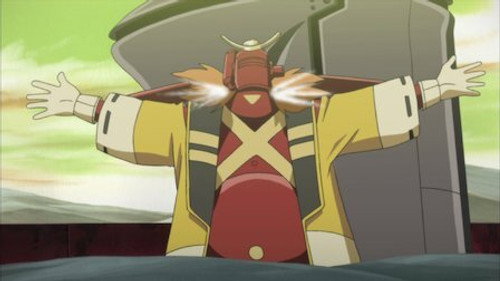
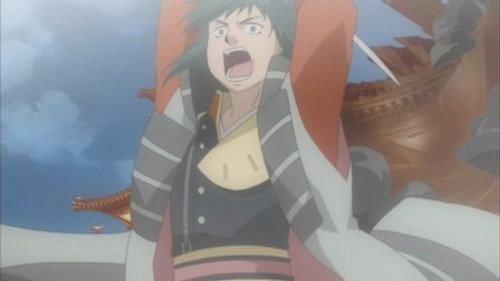
Canon. Kambei Shimada is introduced in a steampunk sprawl rather than a muddy village, but the weary dignity is exactly the same. The recruitment begins. It is the original blueprint, just with more chrome.
Canon. Katsushiro joins the cause. He is the naive lens through which we view the harsh reality of being a warrior whose era is ending. The CGI bandits arrive, and the scale of the threat is clear.
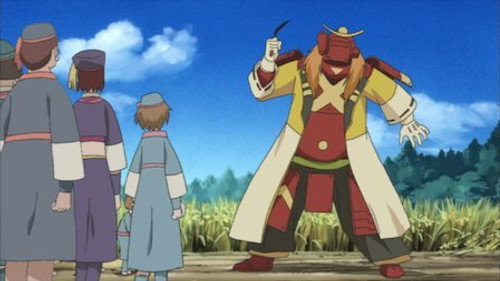
Canon. Kikuchiyo appears. He’s a mechanized wrecking ball with a human heart hidden under several tons of scrap metal. He provides the loud, messy contrast to Kambei’s cold precision.
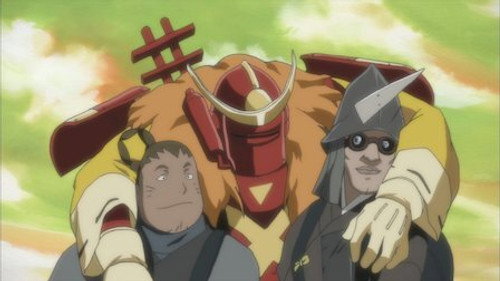
Canon. Gorobei is found. He lives in a world of street performance and danger, treating death like a trick he hasn’t mastered yet. The squad is starting to look like a real army.
Canon. Heihachi enters. He is the pragmatist—the man who would rather fix a rice cooker than a political system. In a world of brooding warriors, he is the light that keeps the team from falling apart.
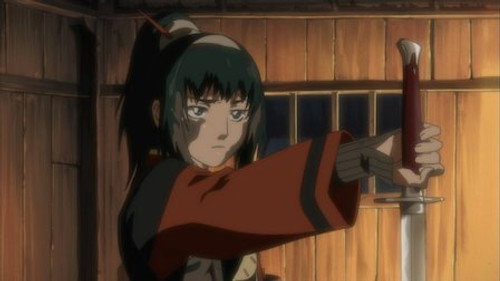
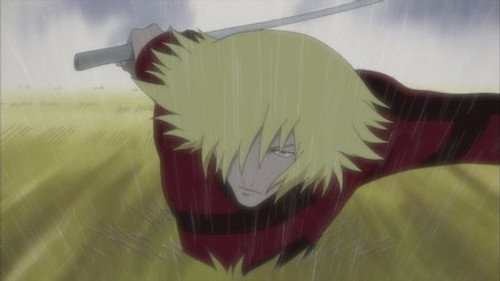
Canon. Kyuzo is the peak of early 2000s "cool." He says nothing and cuts through everything. His introduction duel with Kambei is a masterclass in tension, even with the Gonzo-era CGI quirks.
Canon. Shichiroji is the final piece. The old comrade-in-arms who survived the wars that broke everyone else. The seven are assembled. The journey back to Kanna begins.
Canon. Arrival at Kanna Village. The culture clash between the desperate farmers and the lethal mercenaries is uncomfortable and necessary. The warriors aren’t heroes yet; they’re just employees.
Canon. First contact. The bandits aren’t just thugs; they are a mechanized nightmare. The scale of the fortification at Kanna begins to take shape.
Canon. A scouting mission turns into a revelation about the world’s power structure. The Capital isn’t just a city; it’s an industry that eats villages for fuel.
Canon. The warriors learn that Kanna isn’t the only victim. The tragedy of the world is systemic, and seven swords are suddenly feeling very small against a whole empire.
Canon. Kikuchiyo’s past is laid bare. He isn’t just a robot; he’s the bridge between the farmers and the warriors. The heart of the show starts beating here.
Canon. The bandits launch a coordinated strike. The strategy Kambei laid out is tested, and the animation budget starts showing exactly why this was the most expensive anime of 2004.
Canon. A quiet, heavy episode about the cost of peace. The villagers are forced to make a choice that will haunt them, and the samurai are forced to watch them do it.
Canon. The story shifts to the Capital. The introduction of Ukyo and the political rot at the center of the world. It’s no longer just a village fight; it’s a revolution.
Canon. Infiltration. The samurai navigate the high-tech decadence of the Capital, a place that has forgotten the dirt and hunger of the world that supports it.
Canon. Kambei’s trauma from the Great War resurfaces. We see why he is so comfortable with failure—he’s had a lifetime of practice at it.
Canon. Face-to-face with the Emperor. The realization that the man on the throne is just as much a prisoner as the farmers in the mud. The cycle of power is revealed.
Canon. Chaos in the Capital. The samurai find themselves caught in a power struggle they didn’t start but are destined to finish. The pacing accelerates toward the end.
Canon. A rescue mission with high stakes and higher body counts. Katsushiro has to grow up fast, and the price of that growth is blood.
Canon. The flight from the Capital. The seven are hunted by a force that dwarfs them, yet they keep moving. The bond between the survivors is forged in the fire.
Canon. Internal friction. Not everyone agrees on the path forward. It’s the classic mid-arc slump where the characters have to decide if they are a team or just seven people standing in the same place.
Canon. Betrayal and revelation. The true motives of the Capital are laid bare, and the samurai realize they were never supposed to survive the recruitment process.
Canon. The final stand at Kanna. The village becomes a fortress. The samurai prepare for the end, and the weight of the coming sacrifice settles over the whole show.
Canon. Total war. The bandit flagship vs. a handful of swordsmen. It is loud, it is chaotic, and it is the absolute peak of Gonzo’s mecha-steampunk vision.
Canon. The aftermath. Who lives, who dies, and what it actually meant. Like the film, it ends with a reminder: the farmers won, and the samurai—win or lose—are the ones who are truly gone.