
JIN
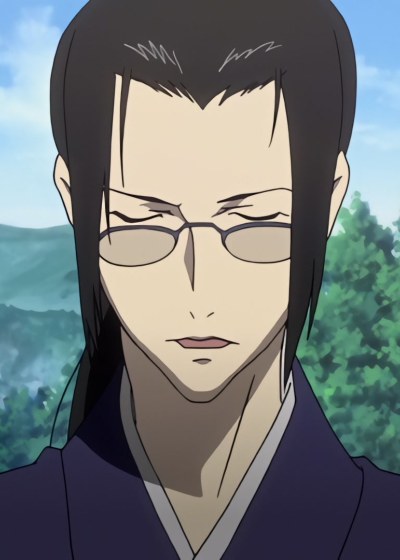
JI
The quiet, calculated foil to Mugen's sheer chaos. Jin is a classically trained, disgraced ronin who moves with lethal, surgical precision. Rocking the iconic glasses and a deeply traditional demeanor, he represents the dying breath of the honorable samurai class. His cold, stoic exterior hides a deeply troubled past, and his inevitable clashes with Mugen are masterclasses in animation and choreographic contrast.
JIN THROUGH THE ARCHIVE //
JOURNEY & CHARACTER GUIDE //
Open page →Mugen and Jin would happily keep fighting until one of them dies. Fuu interrupts that ending and makes them promise to help her find the samurai who smells of sunflowers.
Why it matters
She is not the weak third member attached to two swordsmen. She creates the goal, keeps the group moving and repeatedly forces two men built around independence to remain responsible to somebody else.
The tea-house duel establishes Mugen and Jin as rivals. The yakuza conflict immediately tests how fragile Fuu's bargain really is when the two men take jobs on opposite sides.
What changed
They can split, fight and complain about the promise, but they have already begun behaving like people whose choices affect the other two.
Jin becomes involved with Shino and chooses to help her escape the life debt has forced on her.
Why it matters
The episode gives his restraint a different meaning. Jin is not emotionless; he simply acts with the same economy he brings to swordsmanship.
The finale reveals more of the chain of pressure behind Jin killing his master. Kariya had pushed Jin's school toward service as assassins, and Jin's master was ultimately ordered to kill him.
Why it matters
Jin's disgrace comes from refusing a system that treats loyalty as obedience. His final fight with Kariya is therefore larger than revenge for a dojo.
Their promise to fight again hangs over the journey, but repeated danger turns rivalry into recognition.
Why it matters
By the end, each man understands the other well enough that killing him would no longer mean what it meant in the tea house.
Sara Is the Point Where the Trio Can No Longer Pretend They Are Just Traveling Together
SPOILER! Open →Sara defeats Jin and pushes Mugen close to death while Fuu is caught between the people she has asked to stay with her.
What changed
The danger matters because the group now has something to lose. Fuu's promise has become attachment, even if none of them is comfortable naming it that way.
Fuu goes to Seizo. Mugen is pulled into revenge from his Ryukyu past. Jin remains to face Kariya and the political machinery connected to his dojo.
Why it matters
The last arc does not invent three separate finales. It reveals the three histories the road has been carrying together all along.
After surviving the journey, Mugen, Jin and Fuu separate at a crossroads.
Why it matters
The promise was to travel together until Fuu found the sunflower samurai. They actually keep it. The fact that each person can then choose a direction without immediately chasing an old ghost is the closest the series comes to a happy ending.
