Vagabond / Chaos Incarnate
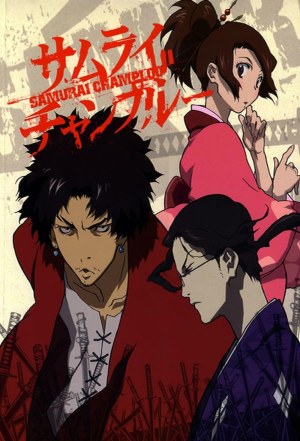
Samurai Champloo
Samurai Champloo aired in 2004, seven years after Cowboy Bebop, and the comparison was unavoidable because Shinichiro Watanabe directed both. Bebop used jazz to build a future out of old movies. Champloo used hip-hop to take Edo-period Japan apart and put it back together with a rhythm nobody else would have trusted. Nujabes, Fat Jon, Force of Nature, and Tsutchie did not merely score the show. They gave it a pulse.
This was also a perfect fansub-era recommendation. Twenty-six episodes, a complete story, no franchise homework, and an opening episode you could hand to almost anyone. People came for the sword fights and stayed because Fuu, Mugen, and Jin gradually became a family none of them would ever admit they needed.
The baseball episode is still funny. The ending still lands. The soundtrack never stopped being essential.
Legend
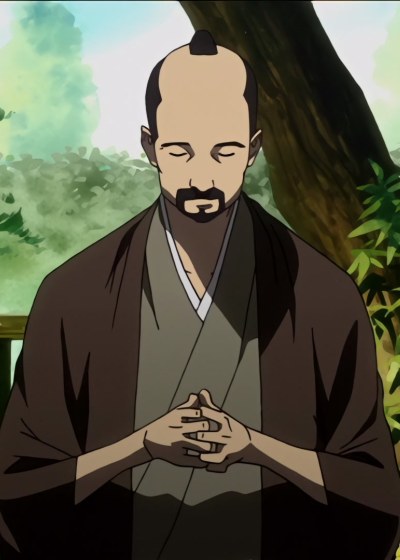
Stoic Ronin
+13 LORE
The Catalyst / Heart of the Trio
+7 LORE
Mascot / Emergency Rations
Hand of the Shogunate / Final Wall
+4 LORE
Blind Musician / Assassin
Seizou Kasumi
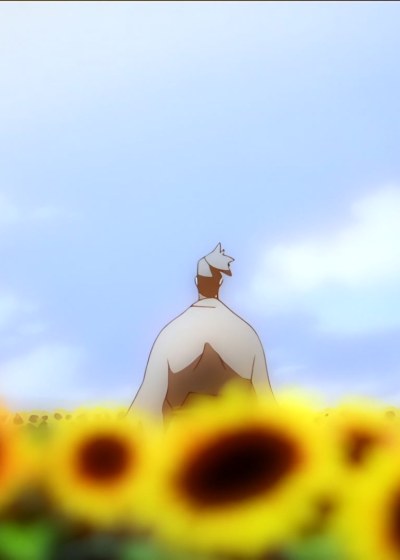
SPOILER!The Sunflower Samurai
Wandering Exile
Hakkei Master / Assassin
Undercover Shinobi
Ghost of the Past
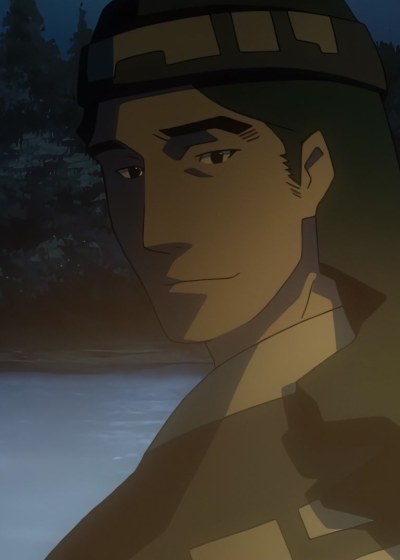
Undercover Cop / Beatboxer
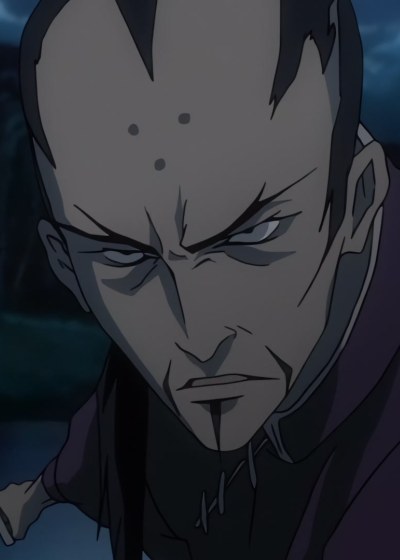
Sadistic Assassin
History on the Road
How to Read the History
Samurai Champloo Does Not Take Place in One Clean Historical Year
SPOILER!Historical Names Are Samples, Not Chronology Anchors
SPOILER!The Road Trip Is the History Lesson
SPOILER!Roads, Borders & Tokugawa Order
A Peaceful Country Can Still Be Hard to Move Through
Sakoku Means Controlled Foreign Contact, Not a Country Sealed in Glass
SPOILER!Episode 6 Turns Dutch Contact Into a Culture-Clash Joke
SPOILER!The episode deliberately treats international contact as something bureaucratically constrained but culturally porous.
Episode 9 Makes a Travel Permit a Life-or-Death Problem
SPOILER!Ronin Make Sense in a Society Where the Warrior Class Has Changed
SPOILER!Art, Work & Popular Culture
Edo Pop Culture Gets Treated Like Street Culture
Episode 5 Samples Hishikawa Moronobu Into the Plot
SPOILER!Ukiyo-e Was Popular Media Before It Became Museum History
SPOILER!Episode 18 Uses Graffiti as an Intentional Historical Collision
SPOILER!Episode 23 Breaks the Calendar on Purpose With Baseball
SPOILER!Hip-Hop Is Not Background Music Laid Over Samurai
SPOILER!People Outside the Center
The Journey Keeps Finding People the Official Story Pushes Aside
Mugen's Ryukyu Origin Makes Him an Outsider Before He Opens His Mouth
SPOILER!Lullabies of the Lost Uses Okuru to Look North Instead of Toward Edo
SPOILER!Episode 19 Turns Hidden Christianity Into the Final Clue
SPOILER!The episode also includes fraud and exploitation around that history, keeping the subject inside the show's normal mixture of danger, comedy and desperation.
Shimabara Is the Historical Weight Behind Fuu's Search
SPOILER!Nagasaki and Ikitsuki Make Sense as the End of the Road
SPOILER!Martial Arts as Cultural Exchange
Nobody's Fighting Style Exists in a Vacuum
Episode 10 Forces Mugen to Learn Instead of Improvise
SPOILER!Jin Represents a School; Mugen Represents a Remix
SPOILER!The 'Miyamoto Musashi' Joke Works Because the Show Has Already Trained You to Believe It
SPOILER!Samurai Champloo has 9490 screencaps in the archive.
A Fateful Encounter
The Tokaido Road
- Ep 3 Hellhounds for Hire (Part 1) 📷 365
- Ep 4 Hellhounds for Hire (Part 2) 📷 365
- Ep 5 Artistic Anarchy 📷 365
- Ep 6 Stranger Searching 📷 365
- Ep 7 A Risky Racket 📷 365
- Ep 8 The Art of Altercation 📷 365
- Ep 9 Beatbox Bandits 📷 365
- Ep 10 Lethal Lunacy 📷 365
- Ep 11 Gamblers and Gallantry 📷 365
- Ep 12 The Disorder Diaries 📷 365