Dragon Ball Z

Dragon Ball Z

ドラゴンボールZ
1989 -1996 Toei Animation Fuji TV 291 episodes Completed
Action Adventure Martial Arts
Details & Synopsis
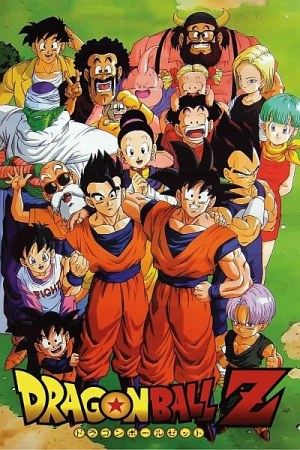
Before Naruto. Before Bleach. Before the Big Three had a name. There was Dragon Ball Z, and for an entire generation of Western kids in the 1990s, Dragon Ball Z was simply anime. The category and the example were the same thing.

Produced by Toei Animation and directed by Daisuke Nishio, Dragon Ball Z aired on Fuji TV from 1989 to 1996, 291 episodes following the adult Goku and his allies across four escalating sagas: the Saiyan invasion, Frieza on Namek, the androids and Cell, and the decade-spanning weight of Majin Buu. Akira Toriyama's power scaling, once a comedy mechanic in the original Dragon Ball, became mythology here. Transformations as revelation. The Super Saiyan moment. Gohan vs. Cell in a fight still being argued about. The power level debate started here, and it has never actually ended.

In the West the story gets more complicated, and more interesting. Ocean Productions dubbed it first, a version truncated, edited, scored by Bruce Faulconer's electric guitar-driven replacement soundtrack that an entire generation now considers inseparable from the show itself. Cartoon Network ran it in syndication. Toonami ran it in the afternoon slot that trained a demographic to expect anime at 4pm. Kids who had never heard the word fansub knew every Kamehameha, every Spirit Bomb, every moment of dead air in a Frieza fight that took four episodes to cover forty five seconds.

Funimation eventually acquired full rights and started over: the uncut version, the original Kikuchi score, the complete run. Then came Dragon Ball Z Kai, the remaster that trimmed the series to its canonical bones, cutting the extended powering up sequences that had always been the show's most honest flaw.

The Seed of Might project sits apart from all of it. 291 episodes, fully color and audio graded, built as a preservation effort rather than a rebroadcast or a resale. It exists because the complete series deserved that kind of treatment while the actual licensing rights were still tangled up in dispute, not because it was ever meant to compete with an official release. This site documents that project's history as part of the record, the same way it documents every other chapter of how this show reached the West.

The power level arguments are still happening. The show is still here.
Alt Title ドラゴンボールZ
Studio Toei Animation
Network Fuji TV
Aired 1989 - 1996
Episodes 291
Genre Action, Adventure, Martial Arts
Status Completed

Wish Ledger

Porunga Erases the Public Memory of Majin Buu

SPOILER!

Six months later · The world is allowed to move on

Six months after Kid Buu is defeated, the Namekian Dragon Balls are used again. This time the wish is not resurrection or battlefield logistics: ordinary people on Earth have their memories of Majin Buu erased.

Mr. Satan and the people closest to Buu still know who he is, but the wider public no longer remembers the monster responsible for the catastrophe.
Why it matters
The final wish of DBZ is social repair. Instead of rebuilding a planet or reviving a fighter, the Dragon Balls make it possible for the good Buu to live on Earth without the entire population seeing the face of the creature that killed them.

Oolong Steals Pilaf's Wish

Emperor Pilaf Saga

Pilaf finally gets all seven Dragon Balls and is seconds away from asking Shenron to make him ruler of the world. Oolong blurts out his own wish first and receives a pair of women's underwear.

It is ridiculous, but the rule is important: Shenron does not care who spent the adventure collecting the balls. The first valid wish spoken is the wish that counts.
Why it matters
Dragon Ball's first completed wish establishes that possession is not enough. Getting Shenron onto the field creates one last race to actually use him.

Upa Wishes Bora Back to Life

Red Ribbon Army Saga

After Goku defeats the Red Ribbon Army and finishes the hunt for the Four-Star Ball, the Dragon Balls are gathered for a personal reason: Upa wants his father back.

Shenron revives Bora, undoing Mercenary Tao's murder.
Why it matters
The wish closes the emotional reason Goku kept chasing the Dragon Balls after Red Ribbon became a much larger problem. Saving the world was never the original objective. Bringing one father home was.

King Piccolo Wishes for His Youth

King Piccolo Saga

King Piccolo uses Shenron to restore his youth and the strength that came with it. Then, instead of simply leaving with the advantage, he kills Shenron so nobody can gather the Dragon Balls and immediately undo what he has done.
What changed
The wish itself powers up the villain, and the wish-granting system becomes a target. Dragon Ball has moved from villains chasing Shenron to a villain actively removing Shenron from the board.

Shenron Restores King Piccolo's Victims

King Piccolo Saga

After Kami restores Shenron, Earth's Dragon Balls can finally be used to repair the human cost of King Piccolo's return. The people killed by King Piccolo and his forces are brought back.

That includes Krillin, Roshi and Chiaotzu, restoring the group after the darkest stretch of the original series.
Why it matters
This is the first time Dragon Ball has to repair not just one death but a whole campaign of them. The Dragon Balls have become part of how the story recovers from large-scale catastrophe.

Original Dragon Ball → Dragon Ball Z

The Dragon Balls stop being cleanup and start becoming strategy

From here forward, wishes are increasingly made in the middle of active crises: timed resurrection, battlefield transport, mass evacuation and eventually the setup for the final attack on Majin Buu.

Debut: Ep 001 - Mini Goku is Just Precious! I'm Gohan

Shenron Revives Goku

Saiyan Saga

Goku spends most of the Saiyan countdown dead and training with King Kai. Earth's Dragon Balls are held until the timing is right, then Shenron is used to bring him back to life.

The wish works. The commute does not disappear. Goku still has to race back down Snake Way while Nappa and Vegeta are already on Earth.
Why it matters
DBZ turns resurrection into logistics. Bringing Goku back is only one part of getting him where he needs to be before everybody else is dead.

Porunga Revives Piccolo, Then Sends Him to Namek

Namek / Frieza Saga

Gohan, Krillin and Dende finally summon Porunga while Frieza and Vegeta are occupied. The first wish revives Piccolo. The second transports him to Planet Namek.

Piccolo specifically wants to return to the fight, and arriving on Namek puts him in position to fuse with Nail before confronting Frieza.
Why it matters
This is where wishes become battlefield strategy. The heroes are not cleaning up after the crisis; they are using the Dragon Balls to put a fighter into the crisis while it is still happening.

Shenron Revives Frieza's Victims on Namek

Namek / Frieza Saga

King Kai's plan uses Earth's Dragon Balls to revive the people killed by Frieza and his forces. That brings Namek's Great Elder back to life, which also restores Porunga because the Namekian Dragon Balls are tied to their creator.
Why it worked
One set of Dragon Balls restores the other set. The wish is valuable not only because people return, but because reviving the Great Elder puts Porunga back on the board while Namek is collapsing.

Porunga Evacuates Namek - Except Goku and Frieza

Namek / Frieza Saga

With Porunga restored and Planet Namek minutes from destruction, the remaining wish is used to transport everyone on Namek to Earth except Goku and Frieza.

Goku refuses to leave. He wants to finish the fight.
What changed
The Dragon Balls clear the battlefield instead of ending the battle. Everyone else is saved so the Super Saiyan confrontation can become exactly what it has been building toward: Goku and Frieza alone on a dying planet.

Shenron Revives Cell's Victims

Cell Games Saga

After Cell is destroyed, Shenron revives the people killed by him. Future Trunks returns after being shot through the chest, and Android 17 is restored as well.

Goku cannot be included because Earth's Dragon Balls have already revived him once under their existing rules.
Why it matters
The wish repairs most of the Cell Games without erasing Goku's decision to stay dead. The limitation on Shenron is what prevents the ending from becoming a complete reset.

Krillin Removes Android 17 and 18's Explosive Devices

Cell Games Saga

After the first wish restores Cell's victims, Krillin asks Shenron to turn Android 17 and Android 18 into ordinary humans. Shenron cannot do that, so Krillin changes the request: remove the explosive devices implanted inside them.

That wish succeeds.
Why it matters
Krillin uses one of the most powerful resources on Earth for something the Androids never asked him to do. It is a small act after a gigantic battle, and Android 18 is listening.

Porunga Rebuilds Earth, Revives the Good, Restores Goku

Majin Buu Saga

The final fight with Kid Buu is built around three Namekian wishes. Porunga restores Earth. The second wish revives everyone who died except the evil people associated with Babidi. The third restores Goku's exhausted energy to full power.

That last wish arrives while Goku is struggling to finish the Spirit Bomb.
Why it worked
The finale turns the Dragon Balls into infrastructure for the heroes' plan. One wish rebuilds the stage, one repopulates it, and one gives Goku the final push needed to use the energy everyone has contributed.